 (Image via
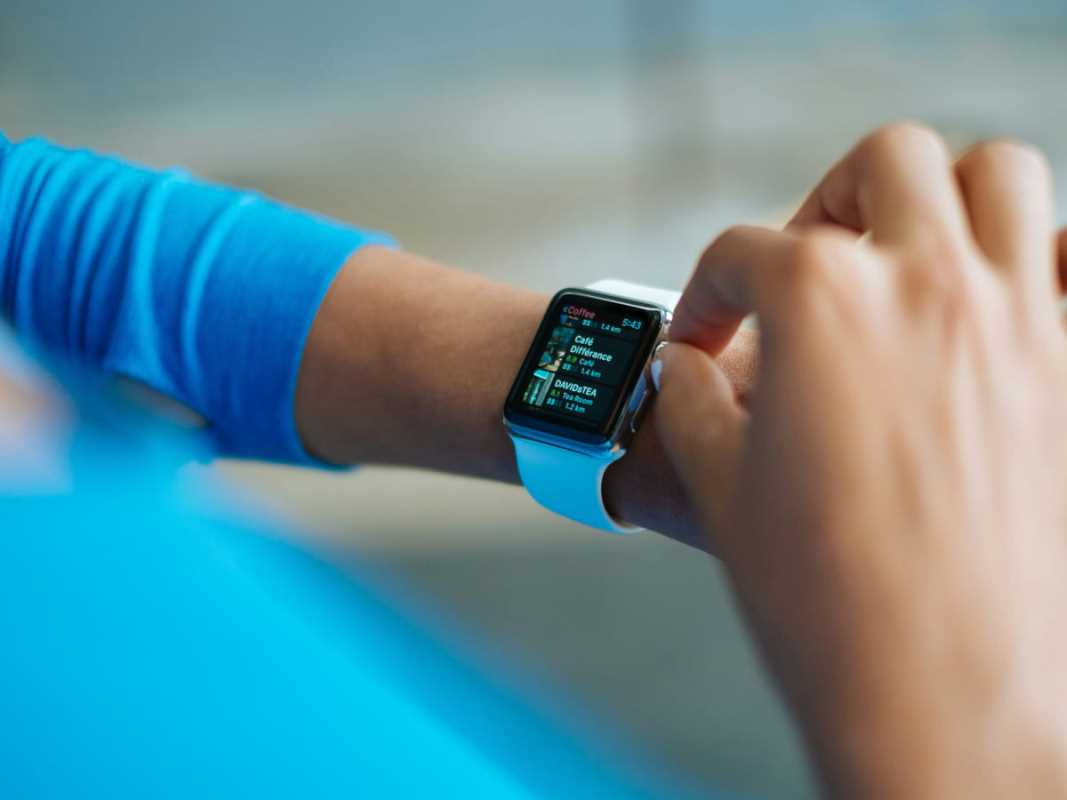
Your devices are getting to know you better than you might think, and it isn't just the software tracking your clicks or the apps suggesting your next favorite song. We are entering a fascinating era where the physical gadgets themselves—the actual hardware—can change, shift, and reconfigure based on how you act in the moment. Imagine a mouse that changes its shape to fit your grip after a long day of gaming, or a screen that physically alters its texture to help you type without looking. This is the world of adaptive hardware, and it is poised to revolutionize how we interact with the digital world.
What Exactly Is Adaptive Hardware?
When we talk about technology, we usually split it into two camps: hardware and software. Hardware is the stuff you can kick—your phone, laptop, keyboard, and monitor. Software is the code running inside it. For decades, the rule was simple. Software is flexible and can be updated instantly. Hardware, on the other hand, is static. Once a factory builds a phone, that phone stays exactly the same shape and size until it hits the recycling bin.
Adaptive hardware breaks this rule. It refers to physical devices and components that can modify their structural or functional properties in real-time. This adaptation happens in response to specific triggers, most notably user behavior.
Think of it like a memory foam mattress versus a standard spring mattress. A spring mattress stays the same no matter who lies on it. A memory foam mattress adapts to the specific weight and shape of the person sleeping. Adaptive hardware is the "memory foam" of the tech world, but instead of just squishing, it uses sensors, smart materials, and mechanical actuators to actively change.
The Core Components
To make a piece of metal or plastic "smart" enough to adapt, engineers rely on a few key technologies:
- Sensors: These are the eyes and ears. They track how hard you press a button, the temperature of your hands, or even the subtle tremors in your grip.
- Actuators: These represent the muscles. They are tiny motors or mechanisms that physically move parts of the device.
- Smart Materials: This is the futuristic stuff. Materials like shape-memory alloys (metals that return to a specific shape when heated) or electroactive polymers (plastics that change shape when electricity flows through them) allow devices to morph without bulky motors.
How It Works: The Feedback Loop
The magic happens in a continuous loop. It starts with you. Let’s say you are typing on an adaptive keyboard.
- Step 1: Monitoring. The keyboard's sensors notice that you are typing very forcefully. Maybe you are angry, or maybe you are just in a rush.
- Step 2: Analysis. The onboard processor crunching this data realizes, "Hey, the user is slamming the keys. This is going to hurt their fingers eventually."
- Step 3: Adaptation. The hardware reacts. The keys might stiffen up slightly to provide more resistance, absorbing the shock of your heavy typing so your finger joints don't have to.
This happens in milliseconds. The goal is to create a seamless experience where the tool fits the user, rather than forcing the user to learn the tool.
Everyday Examples You Might Recognize
While fully morphing phones are still largely in research labs, we are already seeing the early stages of adaptive hardware in consumer tech. You might even own some of it.
Adaptive Triggers in Gaming
If you have played video games on the latest generation of consoles, like the PlayStation 5, you have felt adaptive hardware in action. The triggers on the DualSense controller are not just simple springs. They have gears and motors inside that can change the tension you feel.
When you pull back a bowstring in a game, the trigger physically becomes harder to press, mimicking the tension of the string. If a gun jams, the trigger might lock up entirely. The hardware is physically changing its resistance based on your behavior in the virtual world.
Smart Thermostats and Lighting
While they don't change shape, smart home devices are a form of adaptive hardware infrastructure. A thermostat like Nest learns your habits. It notes when you walk past it and when you adjust the dial. Eventually, it starts physically triggering your HVAC system based on your predicted behavior, not just a programmed schedule. It adapts the physical environment (temperature) to suit your presence.
Proactive Ergonomics
High-end office chairs are starting to incorporate adaptive features. Instead of you fiddling with ten different levers to get comfortable, the chair senses your posture. If you lean forward to focus, the lumbar support might shift automatically to fill the gap in your lower back. If you have been sitting too long, the seat might make tiny micro-adjustments to force you to shift your weight, keeping your blood flowing without you even noticing.
The Future: Where Is This Going?
The potential for adaptive hardware goes far beyond comfortable chairs and immersive video games. As materials science improves, we are looking at devices that can radically alter their purpose based on context.
The Morphing Smartphone
Imagine a phone that is perfectly smooth glass when you are watching a video. But the moment you need to send a text, physical buttons rise out of the screen, giving you a tactile keyboard. This technology, often called "micro-fluidics," involves pumping tiny amounts of clear fluid into pockets under a flexible screen. It would give you the best of both worlds: the versatility of a touchscreen and the precision of a physical keyboard.
Accessibility Revolution
This is perhaps the most important application. Currently, people with disabilities often have to buy expensive, specialized equipment to use computers. Adaptive hardware could change that.
Imagine a mouse that senses a user has a hand tremor. It could automatically increase its physical friction against the desk or add weight to itself (using shifting internal masses or magnets) to stabilize the user's movement. A generic controller could change its button layout physically to accommodate a user with limited range of motion. The hardware would meet the user halfway, democratizing access to technology.
Self-Healing Devices
We all hate scratching our screens or denting our laptops. Researchers are developing materials that can sense damage—a break in the material's structure—and react. These materials contain micro-capsules of liquid "healing agent." When a crack forms, the capsules break, the liquid flows into the crack, and it hardens. It is effectively hardware that heals itself in response to user "behavior" (even if that behavior is accidentally dropping the phone).
Why Does This Matter?
You might be wondering if we really need our gadgets to be this smart. Isn't a regular keyboard good enough? The shift toward adaptive hardware is about more than just convenience; it represents a fundamental change in our relationship with machines.
For a long time, humans have been the ones adapting. We hunch over tiny screens, we learn complex key combinations, and we train our voices to be understood by smart speakers. We contort our bodies and minds to fit the rigid requirements of our machines.
Adaptive hardware flips the script. It acknowledges that human behavior is messy, variable, and constantly changing. By making the hardware fluid, we make technology more human-centric. It reduces the cognitive load—the amount of brainpower you have to use just to operate the device—freeing you up to focus on what you are actually trying to create or achieve.
Challenges on the Horizon
Of course, it isn't all smooth sailing. Adding motors, sensors, and smart materials to devices makes them more expensive. It also adds complexity. A standard plastic button can last for fifty years. A button filled with micro-fluidic pumps and sensors has a lot more points of failure. Durability will be a massive hurdle for engineers to overcome.
There is also the privacy angle. For hardware to adapt to your behavior, it has to constantly monitor your behavior. It needs to know how you hold your phone, how fast you type, and perhaps even your biological signals like heart rate or sweat levels. Ensuring this intimate physical data stays local on the device and isn't sold to advertisers is crucial. Nobody wants their phone to know they are nervous and then start showing ads for calming tea.
We are standing on the edge of a hardware renaissance. The static, cold metal blocks we carry in our pockets are slowly waking up. They are learning to feel, to react, and to change shape. Adaptive hardware responding to user behavior promises a future where our tools feel like natural extensions of our bodies rather than foreign objects.
Whether it is a controller that fights back, a screen that grows buttons, or a desk that knows when you are tired, the next generation of technology won't just sit there. It will work with you.


.jpg)